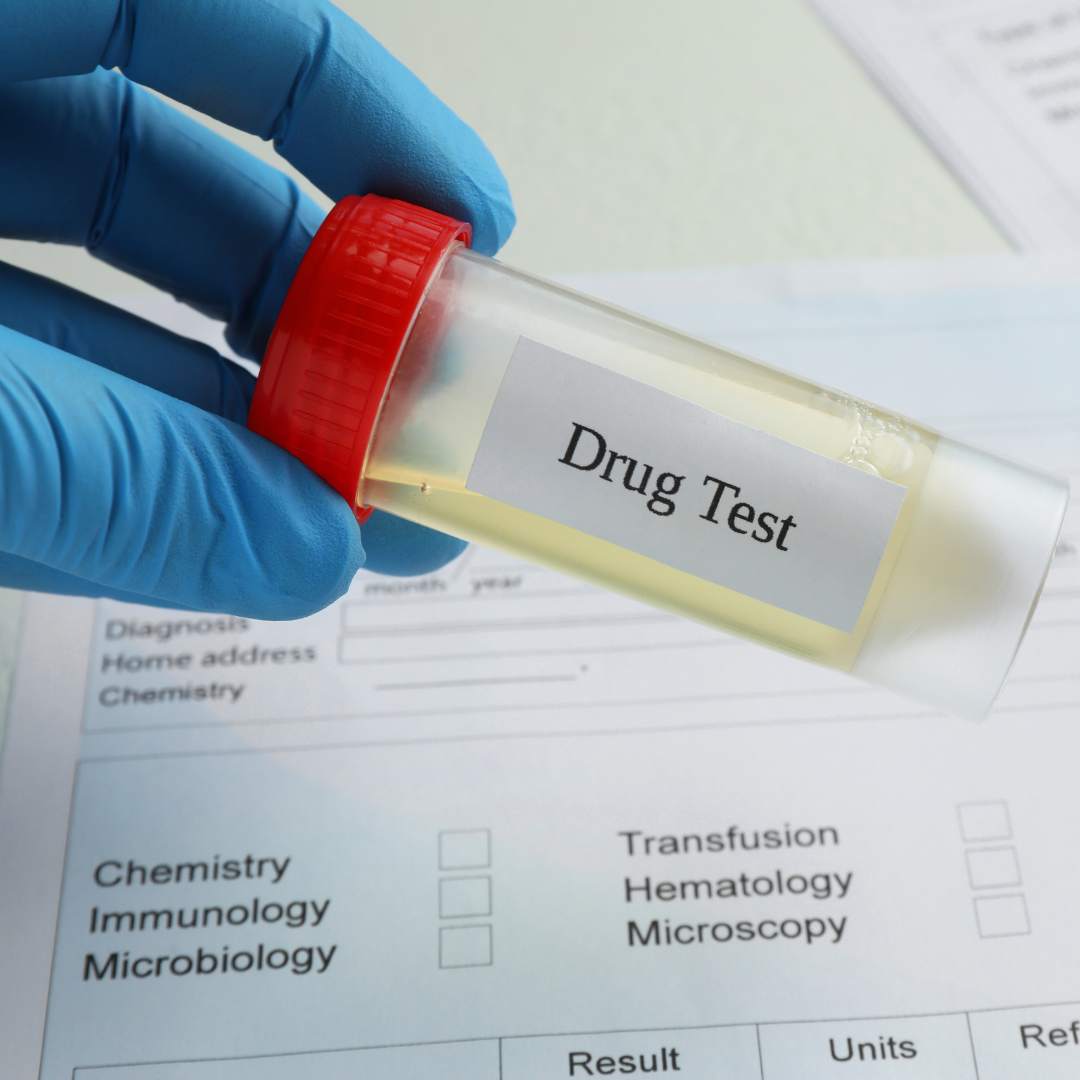
Rapid Drug Testing And Addiction Treatment Outcomes
What Role Does Rapid Drug Testing Play in Enhancing Addiction Treatment Outcomes?
Rapid drug testing is a significant element in the management and treatment of addiction, providing immediate insights into an individual’s substance use. These quick tests, often utilising saliva drug tests, are crucial in monitoring ongoing sobriety and detecting relapses in real time. By gaining timely results, healthcare providers can quickly tailor recovery programmes to suit the changing needs of the person they’re supporting.
The implementation of rapid testing methods within recovery programmes helps to establish a basis for trust and accountability between individuals and their healthcare providers. As part of a comprehensive treatment plan, the use of these tests can encourage individuals to remain engaged with their recovery process, offering moment-to-moment data that can reinforce positive behaviour and detect the need for intervention when necessary.
Key Takeaways
- Rapid drug testing provides immediate insights for adjusting treatment plans.
- Saliva drug tests are a non-invasive tool for real-time sobriety monitoring.
- Timely test results build trust between individuals and healthcare providers.
The Importance of Rapid Drug Testing in Addiction Recovery
Rapid drug testing serves as a cornerstone in the effective management and treatment of substance use disorders. It aids in early detection, monitors treatment compliance, and informs therapeutic decisions.

Early Detection and Intervention
Early detection of substance use is crucial in preventing the development of addiction. If you utilise rapid drug testing, it can immediately reveal the presence of substances, allowing healthcare providers to promptly address any issues. This prompt intervention can be the difference between spiralling out of control and starting on a path to recovery.
Monitoring Progress and Compliance
Your adherence to a treatment programme is essential for recovery. Through the use of rapid drug testing, clinicians can routinely verify if you’re maintaining abstinence, which is often a requirement of your treatment. Consistent negative results can also serve as positive reinforcement for your recovery efforts, while positive results may suggest a need for adjustments in therapy.
Supporting Treatment Decisions
Finally, rapid drug testing provides valuable information that supports evidence-based treatment decisions. It ensures that your treatments are adapted to your current needs based on objective data. This ensures your treatment programme remains targeted and efficient, contributing to better long-term outcomes in your journey to recovery.
Challenges and Considerations in Implementing Rapid Drug Testing
Rapid drug testing is a critical component of addiction treatment and recovery programs. However, your implementation of these tests must account for potential hindrances such as accuracy concerns, ethical dilemmas, and budget constraints.
Accuracy and Reliability Concerns
Accuracy and reliability are the cornerstones of any drug testing method. With rapid testing, the immediacy of results can sometimes come at the expense of precision. False positives and negatives can occur, possibly due to cross-reactivity with other substances or improper use of test kits. It’s essential for you to ensure that the chosen test kits are sensitive and specific to the substances being screened for and that staff administering tests are appropriately trained.
Ethical and Privacy Implications
The use of rapid drug tests raises important ethical questions and privacy concerns. You must handle the sensitive information yielded by drug tests with the utmost confidentiality to protect patient privacy, while also considering the moral implications of potential false results. Well-defined consent processes and transparent communication with patients about the purpose and potential outcomes of testing are vital.
Cost and Resource Allocation
Finally, consider the cost of rapid drug testing kits and the resources required to administer them. Budget constraints might limit the frequency of testing or the quality of the tests you can afford. Allocating resources effectively means balancing the need for frequent testing with the highest-quality tests your budget allows. It is important for you to conduct a cost-benefit analysis to determine the most economical and efficient testing strategy that does not compromise patient care.
Conclusion Of Rapid Drug Testing
Rapid drug testing plays a critical role in the management and treatment of addiction. By providing fast and reliable results, these tests enable your healthcare providers to tailor treatment plans effectively and adjust them as necessary. They are a key part of the support system, helping you to stay accountable on your journey to recovery. Incorporating these tests as a regular element of treatment programmes allows for real-time monitoring and early detection of possible relapse, which is vital for timely intervention. Embrace these tools as they contribute to a comprehensive approach to overcoming addiction and maintaining long-term sobriety.


